



Acne breakouts are triggered by a combination of excess sebum production, clogged pores, bacterial activity, and inflammation, all set off by hormones, diet, stress, humid weather, and comedogenic skincare products. Acne is far more common than most people realise. Global data places adult and adolescent prevalence at approximately 9.4 percent. In comparison, estimates for adolescents who experience acne at some point range from 35 percent to nearly 100 percent, depending on the population studied. India alone recorded 30.7 million prevalent cases among adolescents and young adults in 2021, the highest national figure worldwide. If breakouts keep returning despite a careful routine, consulting the best dermatologist in Bilaspur is often the fastest route to lasting clarity.
Why Does Acne Keep Coming Back in Bilaspur’s Climate?
Heat and humidity increase sweat and sebum output, and Bilaspur’s hot, humid months create ideal conditions for repeat breakouts.
| Environmental Factor | Effect on Skin |
|---|---|
| High heat and humidity | Increases sweat and sebum, softening the pore lining so it blocks more easily |
| Sweat combined with friction (masks, helmets, dupattas) | Triggers acne mechanica, a variant caused by pressure and moisture trapped against the skin |
| Sun exposure without SPF | Thickens the outer skin layer, which can trap oil beneath the surface |
A consistent double cleanse in the evening, a lightweight non-comedogenic sunscreen, and a filtered or softened water source for face washing address most of these local triggers.
Can Diet Really Cause Acne Breakouts?
Yes, high glycemic index foods and certain dairy products are linked to more frequent and severe breakouts, though diet is a contributing factor rather than the sole cause. A systematic review published in JAAD International found that 77 percent of observational studies supported an association between high dietary glycemic content and acne, largely because refined carbohydrates spike insulin, which in turn raises androgen activity and sebum output. A case-control study among young adults found that participants with acne had a notably higher dietary glycemic load than those with clear skin, alongside more frequent milk and ice cream consumption.
Foods linked to more breakouts:
- White bread, refined pasta, and sugary snacks
- Full-fat and skimmed dairy, particularly milk
- Sugary beverages and packaged fruit juices
Foods associated with calmer skin:
- Low glycemic wholegrains such as oats and millets
- Fatty fish and walnuts for omega-3 content
- Leafy greens and colourful vegetables for antioxidants
Does Stress Trigger Acne, and How?
Stress raises cortisol levels, and elevated cortisol stimulates the sebaceous glands to produce more oil while also increasing skin inflammation. Clinical research by Yosipovitch and colleagues demonstrated a measurable correlation between psychological stress, higher sebum production, and worsening acne severity, particularly during identifiable stress periods such as examinations. Stress hormones not only increase oil, but they also trigger inflammatory cytokines that make existing breakouts angrier and slower to heal. This is why acne often flares during examination season, deadline-heavy work months, or periods of disrupted sleep, and why breakouts can persist even after the stressful period has passed.
Are Hormones and Genetics Responsible for Acne?
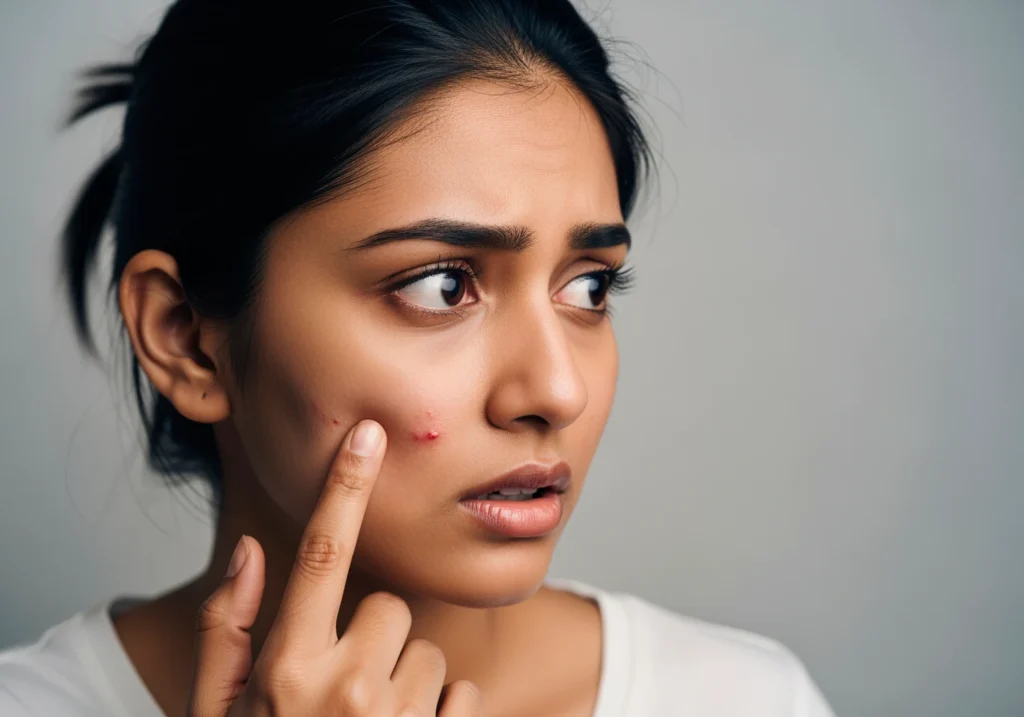
Hormonal fluctuations and family history are among the strongest predictors of acne, particularly around puberty, the menstrual cycle, and underlying metabolic conditions. Research on adolescent acne found prevalence reaching 85 percent in late pubertal boys, driven by rising androgen and dihydrotestosterone levels. A separate study of acne patients found that 41.9 percent had an underlying metabolic precondition such as insulin resistance, and 41.65 percent had an endocrine precondition such as thyroid imbalance, with both groups showing significantly higher rates of moderate to severe acne compared with those without these conditions. Genetics also plays a visible role: individuals with a family history of acne, and those with deeper skin tones common across Bilaspur and Chhattisgarh, face a higher risk of post-acne pigmentation once breakouts heal, with research recording moderate to severe acne in 24.2 percent of people with darker skin tones compared with 9.8 percent of those with lighter skin.
Do Skincare and Makeup Habits Worsen Acne?
Comedogenic cosmetics, over-cleansing and picking at pimples are among the most common self-inflicted triggers seen in clinical practice.
- Comedogenic products: Heavy oil-based foundations, thick sunscreens and some hair oils can physically block pores.
- Over-cleansing: Washing the face more than twice a day strips the skin barrier and can trigger reactive oil production.
- Popping or picking: This forces bacteria deeper into the skin and significantly raises the risk of permanent scarring and pigmentation.
- Unwashed accessories: Pillowcases, phone screens and makeup brushes harbour bacteria and oil that transfer back onto the skin
Why Should You See the Best Dermatologist in Bilaspur for Acne?
Home remedies and over-the-counter products rarely resolve acne rooted in hormonal, genetic, or metabolic causes, which is why a proper clinical diagnosis matters. At Saluja Skin Clinic, led by Dr. Jaspal Singh with more than 10 years of experience in advanced skin and laser care, every acne case is assessed individually before treatment begins. As the best dermatologist in Bilaspur for acne and acne scar management, the clinic combines in-depth skin analysis with treatments such as chemical peels and laser therapy to address both active breakouts and the pigmentation or scarring they leave behind, an approach particularly suited to Bilaspur’s deeper skin tones and humid climate.
Frequently Asked Questions About Acne Triggers
Does drinking more water clear acne?
Adequate hydration supports overall skin barrier function, but it does not directly clear active acne caused by hormonal or bacterial factors.
Is adult acne caused by different triggers than teenage acne?
Adult acne is more frequently linked to hormonal shifts, stress, and underlying conditions such as insulin resistance, whereas teenage acne is primarily driven by puberty-related androgen surges.
When should acne be treated by a dermatologist rather than home care?
Persistent breakouts lasting beyond eight to twelve weeks, cystic or painful lesions, and any scarring or dark marks warrant a consultation with the best dermatologist in Bilaspur rather than continued self-treatment.