


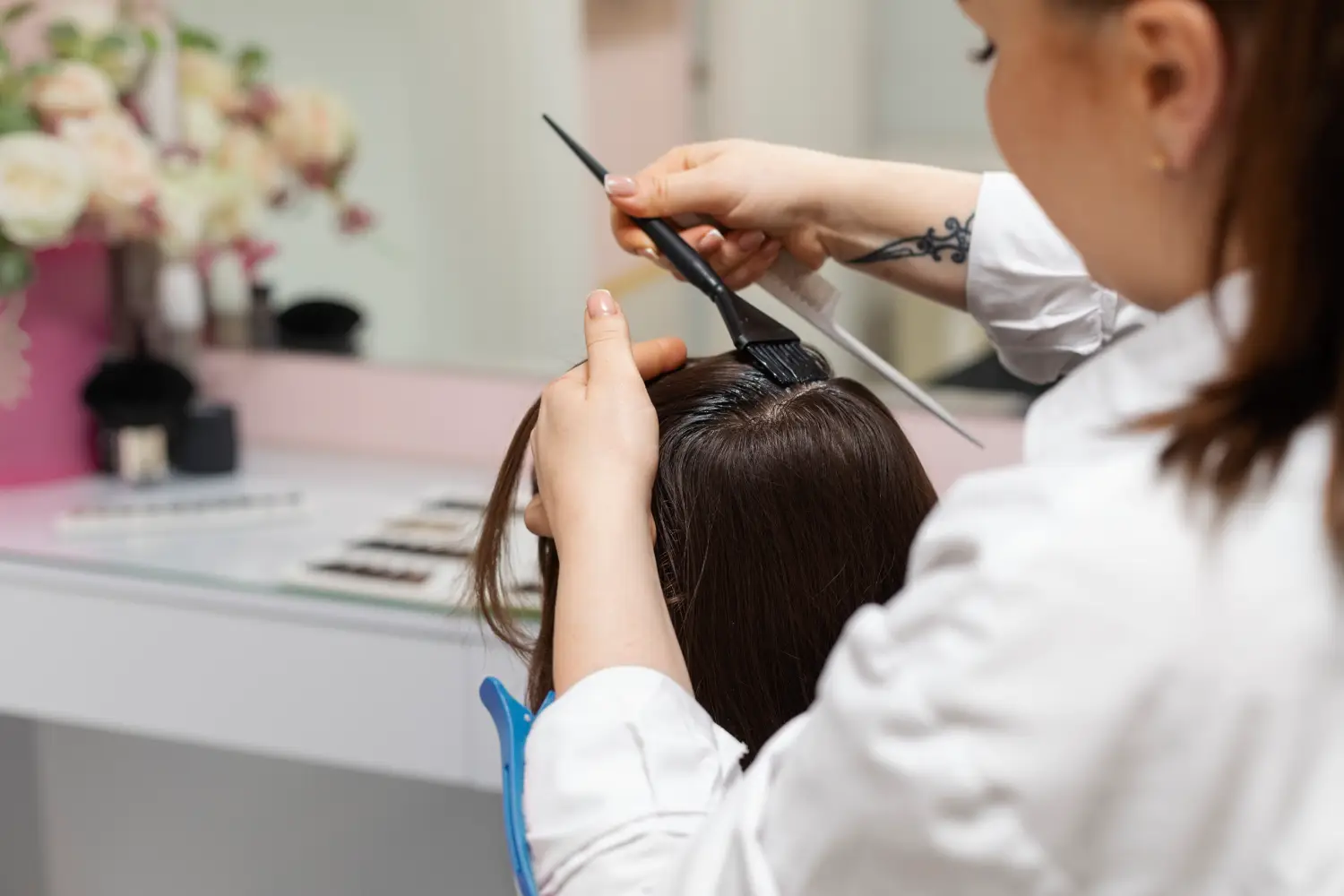
It usually starts small. A few extra strands on the pillow, more hair than usual circling the shower drain, a parting that looks a little wider in the mirror, or a hairline that seems to be quietly retreating. You tell yourself it is the season, the water, the stress — and you try an oil someone recommended, a new shampoo, a diet tweak. Then one evening you catch the light at the wrong angle, see how much scalp is showing, and finally type ‘Bilaspur hair specialist’ into your phone, hoping someone can tell you whether this is normal or something to act on.
Here is the honest answer: losing 50 to 100 hairs a day is completely normal, but a steady, visible increase over weeks or months is your body flagging something worth checking. The good news is that most hair loss is treatable — especially when you catch it early. The catch is knowing who to trust. Search results are crowded with online ‘hair tests’, mail-order kits, doctor directories and clinics in other cities, many of which never actually examine your scalp in person. This guide cuts through all of that. We will explain what a hair specialist really does, why you are losing hair, the treatments that genuinely work, how hair transplants fit in, and exactly how to choose the right Bilaspur hair specialist.
What a Hair Specialist Actually Does
A hair specialist is a doctor who diagnoses and treats hair and scalp conditions — most often a dermatologist, since hair, skin and nails all fall under the same medical field. The word you will also hear is trichologist, meaning someone focused specifically on hair and scalp. What matters more than the label is that a real Bilaspur hair specialist examines you in person, works out why you are losing hair, and treats that underlying cause rather than selling a one-size-fits-all product.
That distinction is everything. Hair fall is a symptom, not a diagnosis. The same thinning can be driven by genetics, an iron or vitamin D deficiency, a thyroid imbalance, a recent illness or crash diet, hormonal shifts, a scalp infection, or simply the mineral build-up that Bilaspur’s hard water leaves behind. An online quiz cannot tell these apart. A qualified doctor can — through a proper history, a close look at your scalp and hair-pull pattern, and blood tests where needed. Only then can treatment actually target the problem. It is the reason so many people cycle through shampoos and serums for a year with nothing to show for it, then see real change within months once a specialist identifies the true cause. To make sense of it, here are the most common patterns of hair loss and what each one usually signals.
| Type of hair loss | Common signs | What a specialist does |
|---|---|---|
| Telogen effluvium (stress or illness shedding) | Sudden, heavy shedding across the whole scalp, often 2–3 months after a trigger | Treats the trigger and supports regrowth with nutrition and medication |
| Male pattern baldness (androgenetic) | Receding hairline or an ‘M’ shape, thinning at the crown | Medical therapy early; hair transplant for advanced areas |
| Female pattern thinning | A widening parting while the front hairline stays intact | Investigates hormones and nutrition; medical and in-clinic therapies |
| Nutritional or thyroid-linked loss | Diffuse thinning with tiredness, brittle nails or other symptoms | Blood tests, then corrects the deficiency or refers as needed |
| Scalp conditions (dandruff, fungal, psoriasis) | Flaking, itching or redness alongside shedding | Treats the scalp condition directly to stop the loss |
| Environmental / hard-water damage | Breakage, rough texture, buildup and dullness | Scalp-care guidance plus treatment for any resulting damage |
The Real Reasons You’re Losing Hair in Bilaspur
If your hair loss is gradual and follows a pattern — a receding hairline or thinning crown in men, a widening parting in women — it is most likely androgenetic alopecia, the genetic, hormone-driven type that affects a large share of adults. It is progressive, which is exactly why acting early matters: the follicles you save now are far easier to keep than the ones you try to recover later. If instead the shedding came on suddenly and heavily, often a couple of months after an illness, fever, surgery, childbirth or intense stress, that points to telogen effluvium, which is usually temporary and recovers well with the right support.
Beyond these, plenty of everyday factors quietly thin hair: low iron or vitamin D, an underactive thyroid, PCOS, crash dieting, and chronic stress. Scalp problems like persistent dandruff, fungal infection or psoriasis can also drive shedding if left untreated. And in our region there is the local factor — Bilaspur’s hard water leaves a mineral film on the scalp and hair, contributing to buildup, dryness and breakage. None of this means you are destined to lose your hair; it means the right hair fall treatment in Bilaspur depends entirely on which of these is actually at play, which is why a professional diagnosis always comes first.
Treatment Options a Bilaspur Hair Specialist Can Offer
Once the cause is clear, a Bilaspur hair specialist has a whole ladder of options, chosen to match the type and stage of your hair loss. Early, mild thinning is often managed medically; more advanced loss may call for in-clinic procedures or, eventually, a hair transplant. Here is how the main treatments compare.
| Treatment | What it does | Best suited for |
|---|---|---|
| Medical therapy (topical minoxidil, prescribed tablets, correcting deficiencies) | Slows loss and supports regrowth by tackling the cause | Early to moderate hair loss, and as a foundation alongside other treatments |
| PRP / GFC therapy | Uses growth factors from your own blood to stimulate follicles | Early thinning and as support to medical treatment |
| Mesotherapy | Micro-injections deliver vitamins and nutrients into the scalp | A nutrition boost for weakened follicles |
| Scalp / dandruff treatment | Clears the infection or inflammation driving shedding | Hair loss linked to scalp conditions |
| Hair transplant (FUE / FUT) | Moves your own permanent follicles into thinning or bald areas | Advanced or stable pattern baldness |
Two things are worth remembering: results take time — hair grows slowly, so most treatments need three to six months of consistency before you judge them — and the best plans usually combine approaches rather than relying on a single ‘miracle’. A good specialist will tell you honestly what is realistic for your stage of loss.
Understanding Hair Transplants
For hair loss that has progressed to bald or clearly thinning patches, a hair transplant is often the most durable answer. The principle is elegant: healthy, permanent follicles from the back and sides of your scalp — which are naturally resistant to the hormone that causes pattern baldness — are moved to the areas that need them. Once they settle and start growing, they behave like the hair they came from and are there for good. There are two main techniques, and a hair transplant in Bilaspur is usually carried out using one, or a combination, of them depending on your needs.
| Technique | How it works | Best for |
|---|---|---|
| FUE (Follicular Unit Extraction) | Individual follicular units are extracted and implanted one by one, with no linear scar | Most patients; those who prefer short hair and minimal scarring |
| FUT (Follicular Unit Transplantation) | A thin strip of scalp is removed, dissected into grafts and implanted | Cases needing a large number of grafts in one session |
The right choice depends on how much coverage you need, your hair type and your priorities around recovery and scarring. This is a genuine surgical procedure, so it should only be performed by a trained surgeon in a proper clinical setting — not somewhere improvising. A skilled surgeon also designs a hairline that suits your face and age, so the result looks natural rather than obviously ‘done’.
How to Choose the Right Bilaspur Hair Specialist
Here is where many people go wrong. It is easy to be swayed by a slick online test, a low advertised price or a big-brand name — but hair is not something to treat blind. The single most important factor is that your Bilaspur hair specialist actually examines your scalp in person and is qualified to see your treatment through, from medical therapy right up to surgery if you ever need it. Run any option through this checklist.
| What to check | Why it matters |
|---|---|
| A qualified, registered doctor | Hair loss can signal an underlying health issue, so only a medically trained dermatologist can properly diagnose and prescribe. Be wary of non-medical ‘consultants’. |
| In-person scalp examination | A real diagnosis needs a physical look at your scalp and hair, not just a photo uploaded to an app. |
| Surgical capability under one roof | If your loss may eventually need a transplant, a clinic that offers it means continuous, joined-up care instead of being passed elsewhere. |
| Honest, realistic advice | Trustworthy specialists explain what is achievable for your stage — never a guaranteed ‘full regrowth’ or a 100% promise. |
| Hygiene and safety standards | Sterile technique and a proper clinical set-up are essential, especially for injectables and surgery. |
| Local, ongoing access | Hair treatment is a journey of months, so a specialist you can actually visit for reviews beats a distant or online-only option. |
Meet Saluja Skin Clinic — A Trusted Bilaspur Hair Specialist
If you are looking for someone who ticks every one of those boxes, Saluja Skin Clinic is a strong place to begin. Based at Mandir Chowk on Jarhabhata Road, it is a physical, dermatologist-led clinic right here in the city — and it holds a genuine local milestone as the first hair transplant centre in the entire Bilaspur district.
The clinic is led by Dr. Jaspal Singh, who is not only a dermatologist and cosmetologist but a dedicated hair transplant surgeon with over a decade of experience. He trained in hair transplantation in Bengaluru under Dr. Venkatram Mysore, mastering both FUE and FUT techniques — including specialised work on beards, body hair, moustaches and scars — and went on to perform transplants and cosmetic procedures alongside respected names in Mumbai, Jalandhar and Himachal Pradesh. You can read his full background on the clinic’s doctor profile page. That combination — a qualified dermatologist who can also perform surgery, working from a local clinic — is exactly what you want in a Bilaspur hair specialist, because it means your whole journey, from the first scalp analysis to medical treatment and, if ever needed, a hair transplant, happens under one trusted roof.
Just as importantly, the approach is honest. There are no guaranteed-regrowth gimmicks — just a proper diagnosis, a plan matched to your hair loss, and realistic expectations, which is what makes it a credible choice for anyone seeking the best hair doctor in Bilaspur.
What to Expect at Your First Hair Consultation
Knowing what a good first visit looks like takes the pressure off. Your consultation with a Bilaspur hair specialist should start with questions — when the shedding began, your family history, recent illnesses or stress, diet, medicines and any hair products you use. The doctor then examines your scalp and hair closely, sometimes with magnification, and may recommend simple blood tests to check for deficiencies or hormonal causes.
From there you should receive a clear explanation of what is happening and a personalised plan — which treatments suit your stage, how long results realistically take, and what they will cost. Ask about maintenance too, since some types of hair loss need ongoing care to hold your gains. A good clinic answers all of this openly rather than rushing you towards the most expensive option.
Simple Habits to Protect Your Hair in Bilaspur’s Climate
Professional treatment does the heavy lifting, but daily habits protect your results — and Bilaspur’s hard water and dust make a few of them especially worthwhile. Wash with a mild, sulphate-free shampoo and rinse thoroughly to reduce mineral buildup; if your water is very hard, a simple shower filter can help. Eat for your hair, with enough protein, iron and vitamins from a balanced diet, since follicles are among the first to suffer when nutrition dips. Manage stress and sleep well, both of which quietly influence the hair cycle. Be gentle: avoid tight hairstyles, harsh chemical treatments and constant heat styling that cause breakage. And treat dandruff or an itchy scalp early rather than letting it linger. None of this replaces a specialist’s plan, but together these habits give whatever treatment you are on the best possible foundation.
The Honest Verdict
Hair loss feels personal, and it is easy to fall for whatever promises the fastest fix. But the honest path is also the most effective one: get an in-person diagnosis, treat the actual cause, act early, and stay consistent. Whether your answer turns out to be a simple nutritional correction, a course of medical therapy, or eventually a hair transplant in Bilaspur, it should come from a qualified doctor who examines you properly and tells you the truth about what to expect.
On that measure, a physical, dermatologist-led clinic such as Saluja Skin Clinic — led by hair transplant surgeon Dr. Jaspal Singh and home to Bilaspur’s first hair transplant centre — stands out as a credible Bilaspur hair specialist and a strong candidate for the best hair doctor in Bilaspur. If the strands in your comb have been worrying you, do not wait for the thinning to become obvious to everyone else. Book a consultation, get a real diagnosis, and give your hair the head start that early, expert care provides.
Frequently Asked Questions
Q.1: Who is the best Bilaspur hair specialist for hair fall?
The best Bilaspur hair specialist for you is a qualified, registered dermatologist who examines your scalp in person and can manage your hair loss from medical treatment through to surgery if needed. Dr. Jaspal Singh at Saluja Skin Clinic — a dermatologist and hair transplant surgeon with over ten years of experience, at the district’s first hair transplant centre — is a strong option, and one many would rank among the best hair doctor in Bilaspur for local, dermatologist-led hair care.
Q.2: How much does hair fall treatment in Bilaspur cost?
It varies widely with the cause, the treatment and the number of sessions — medical therapy is relatively affordable, while procedures like PRP or a hair transplant cost more. Because plans are personalised, it is best to call the clinic for current charges. Saluja Skin Clinic can be reached on +91-9301600500 to discuss hair fall treatment in Bilaspur.
Q.3: When should I see a hair specialist instead of trying home remedies?
See a specialist if your shedding is steadily increasing, you notice a receding hairline or widening parting, your scalp is itchy or flaky, or home measures have not helped in a few weeks. Because pattern hair loss is progressive, early treatment saves more hair than waiting does.
Q.4: Is a hair transplant in Bilaspur permanent?
The transplanted follicles are taken from areas resistant to pattern baldness, so they are designed to keep growing long term. However, any non-transplanted hair can still thin over time, so a good surgeon plans for that and may recommend ongoing medical treatment to protect your overall result. A hair transplant in Bilaspur should always be performed by a trained surgeon in a proper clinic.
Q.5: Can hair loss be reversed?
It depends on the cause. Temporary types like stress-related shedding usually recover well, while genetic pattern baldness can be slowed, maintained and improved but not fully ‘cured’ — which is why early medical treatment, and a transplant for advanced cases, matter. A specialist can tell you what is realistic for your situation.
Q.6: Does Bilaspur’s hard water cause hair fall?
Hard water does not usually cause root-level baldness, but the mineral buildup it leaves can make hair dry, brittle and prone to breakage, and can worsen dandruff. Gentle, sulphate-free washing and treating any scalp issues help; if shedding continues, see a hair specialist to rule out an underlying cause.
Disclaimer: This article is intended for general information only and is not a substitute for professional medical advice, diagnosis or treatment. Individual results vary. Always consult a qualified dermatologist about your specific condition before starting any treatment.
Saluja Skin Clinic
Address: Mandir Chowk, Main Road, Jarhabhata Road, Bilaspur, Chhattisgarh 495001
Phone: +91-9301600500 | +91-7752414748
Email: salujaskinclinic@gmail.com
Hours: Monday to Saturday, 10:00 AM – 1:30 PM & 5:00 PM – 8:30 PM | Sunday: Closed